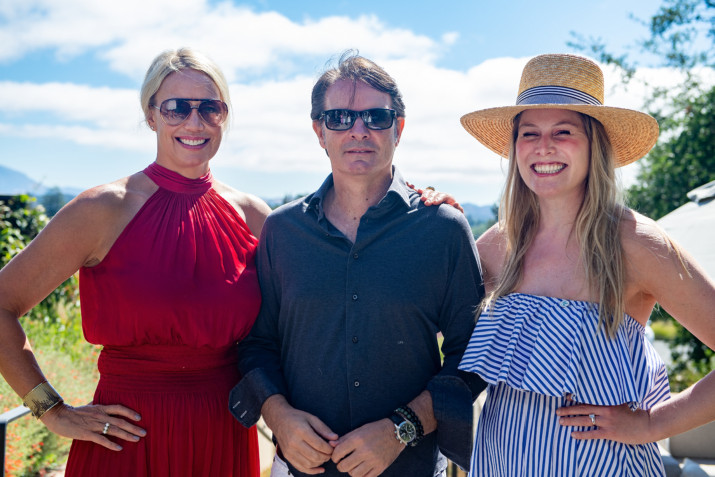
A lifestyle story: Sonoma, CA. A group of wine lovers gathered at the FlowersVineyards & Winery on the Sonoma Coast. The August 1st brunch was hosted by Exclusive Resorts, the winery, and Porsche Marin. The event celebrated the joys of travel and the launch of the latest issue of Curated Magazine. Erin Lentz, Editor in Chief of Curated Magazine, posed for a photo with Exclusive Resorts CEO James Henderson and, Exclusive Resorts Senior Director of Marketing Caitlin Austin.
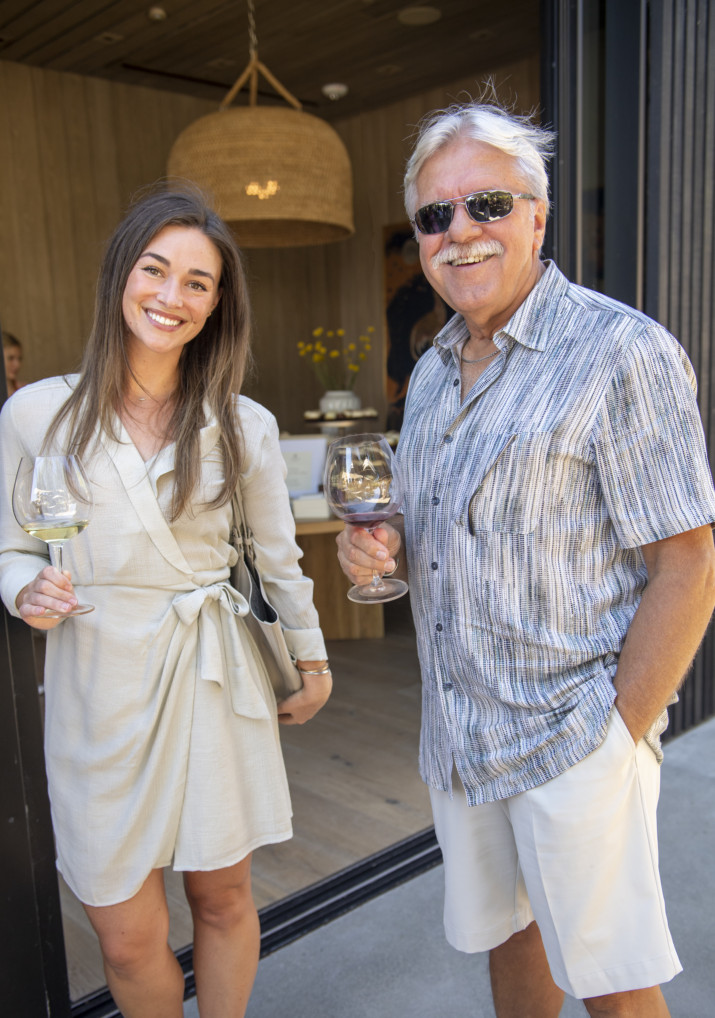
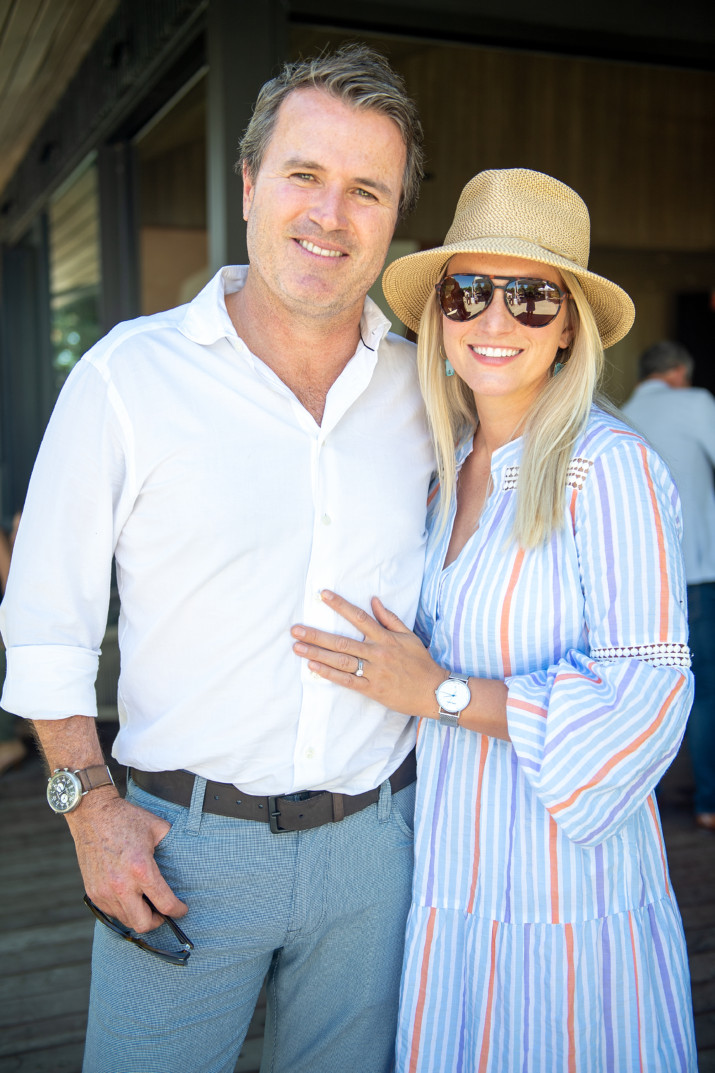
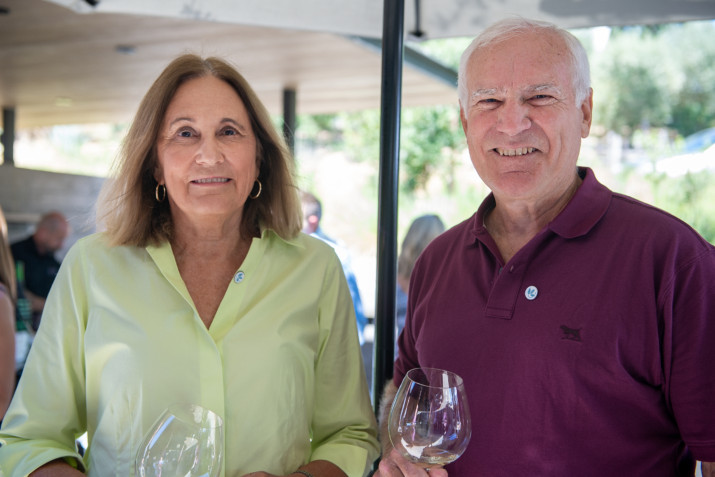
Allison James and Harry Vacek
88 prominent business leaders and travel lovers attended the event to learn more about the Club’s Members-only portfolio of luxury residences and vacation experiences. They enjoying live music, fresh and innovative bites from local restaurants including Oyster Girls, The Farmer’s Wife, Zazu, and Noble Folk, as well as cupcakes paired with a sampling of Flower’s finest vintages. Guests also test drove the new Porsche Taycan in addition to the Porsche 911 provided by Porsche Marin.
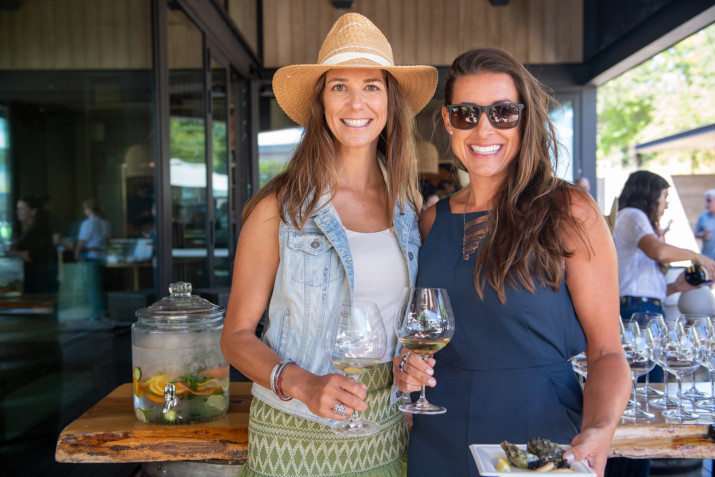
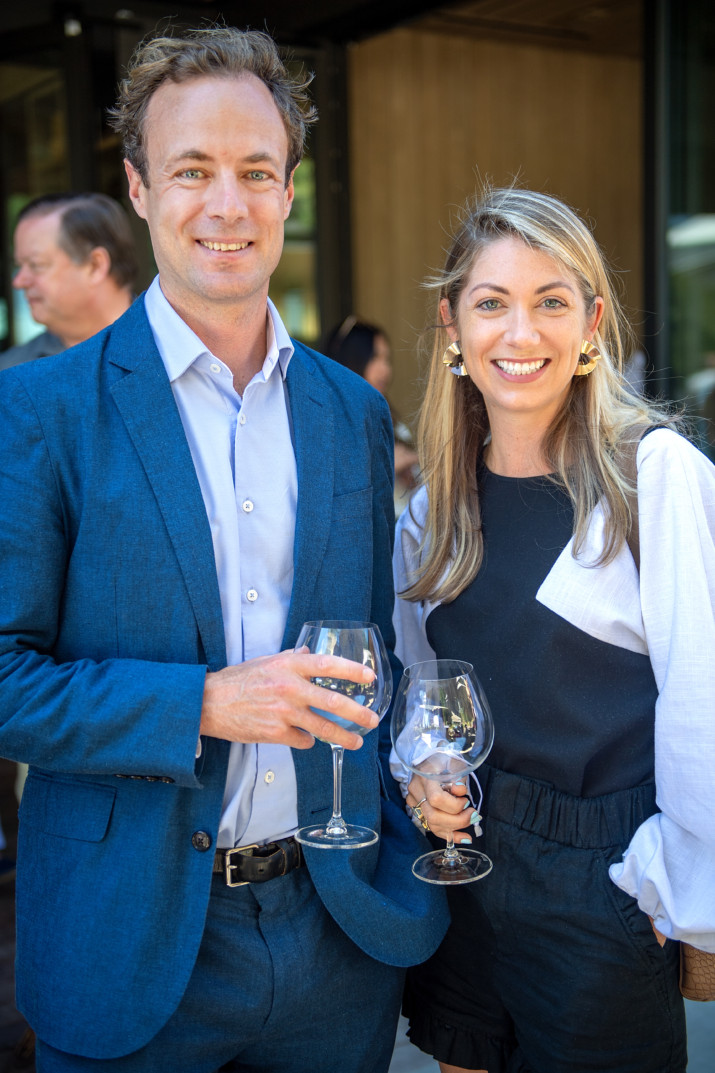
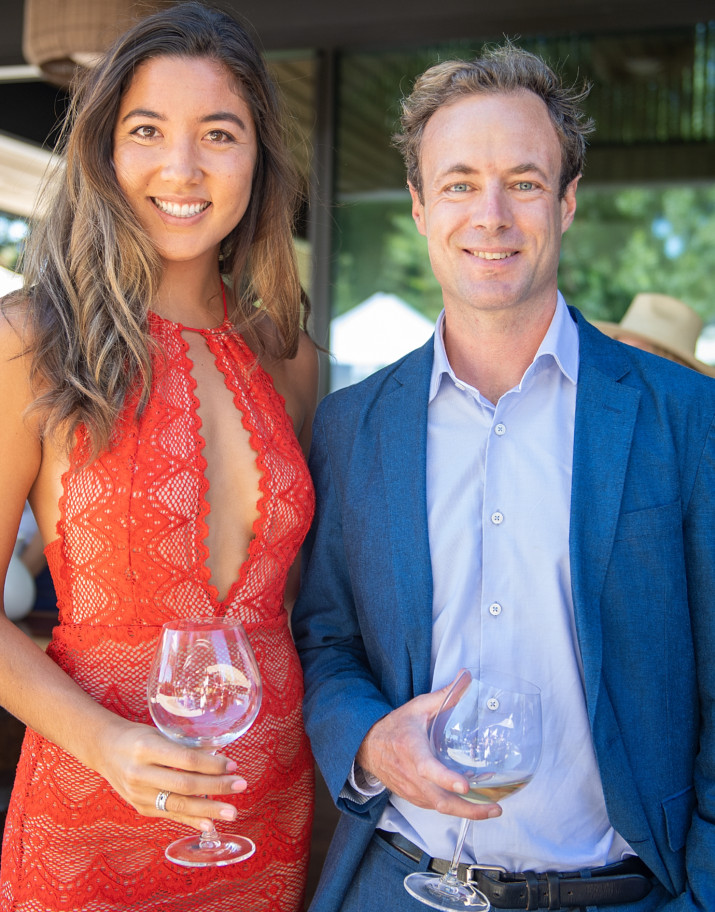
Caroline Smith and Miranda Hartridge
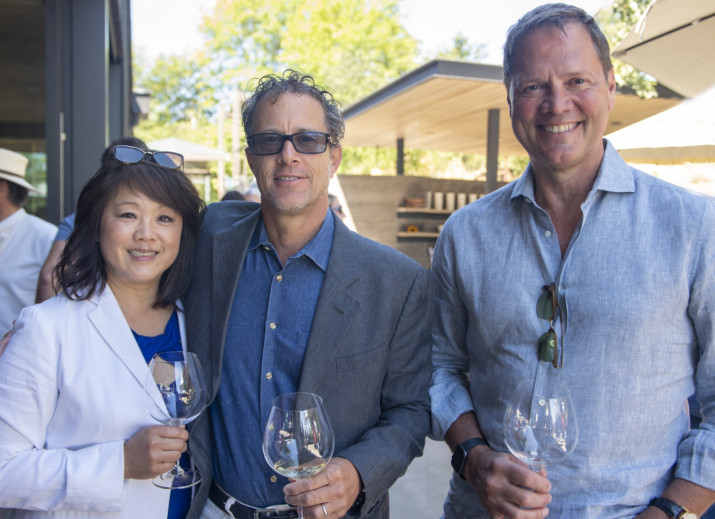
Charisse Fazzari, Dr. Jordan Shlain (Founder of Private Medical) and Mark Long
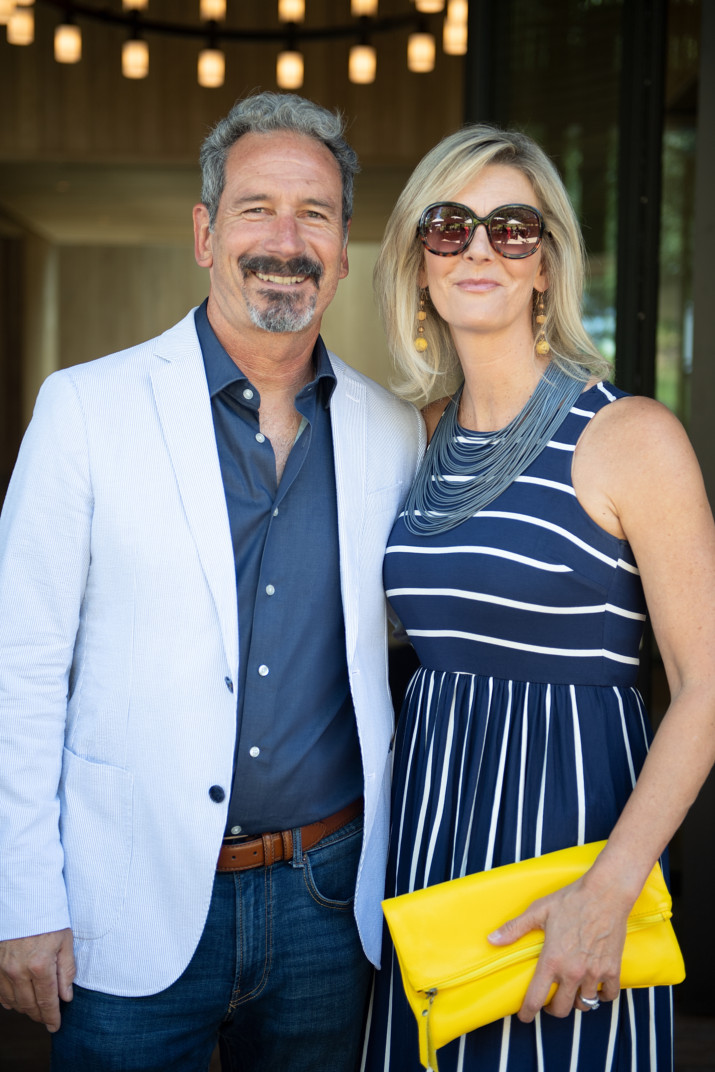
David & Tiffany Lewis and David & Jill Anderson
Erin Lentz, Editor in Chief of Curated Magazine, Rachel Regan, Exclusive Resorts SVP of Sales and Karrie Sims
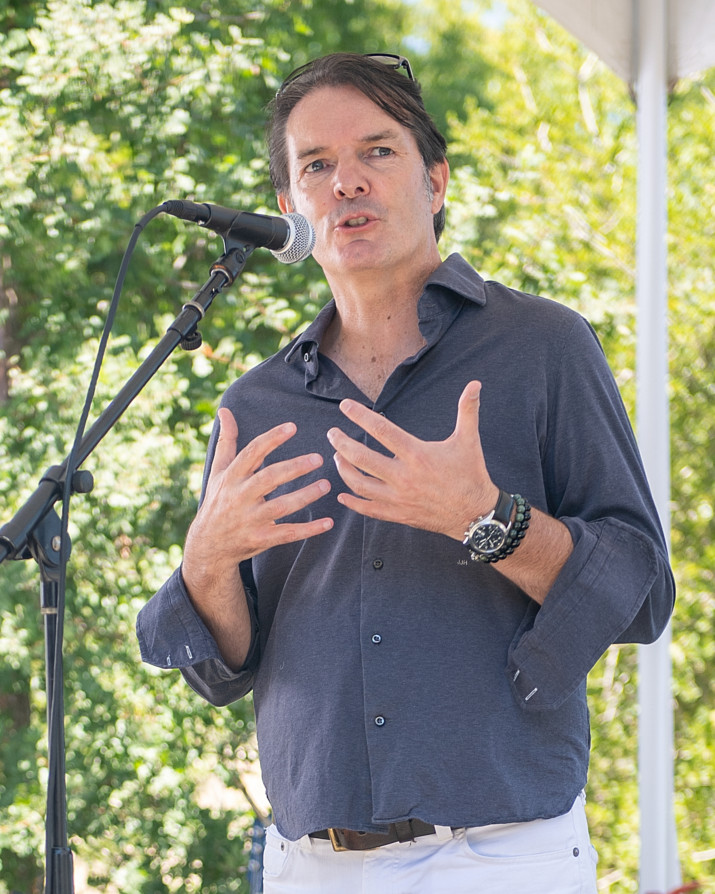
Exclusive Resorts CEO James Henderson addresses the attendees.
Kevin Boswell, Gioia McCarthy, Sean McCarthy, and Elliot Schreiber
Nick Withers, President of Huneeus Vintners, and his wife Ashley Withers
Sam Highley, Founder of All Roads North, Stefanie Schoen, Founder of The Style Safari
Mary Allan, James Henderson, Jen & Phil Bodem
Owners of Phifer Pavitt Wine Shane Pavitt and Suzanne Phifer-Pavitt
Nancy and Bruce Worthington
Sophia Yamauchi & Sam Highley
Taylor Gross and Setahrae Javanbakht
From Flowers Vineyards & Winery:
Nearly 30 years ago, Flowers Vineyards & Winery pioneered the growing of Pinot Noir and Chardonnay on the rugged coastal ridges of the extreme Sonoma Coast. Joan and Walt Flowers had a simple goal — make exceptional wine that captures the wild beauty of the land and the spirit of the Sonoma Coast. This passion drives everything we do — farming responsibly, harvesting by hand, using 100% native fermentation, and crafting wine with minimal intervention. Our unwavering commitment to creating distinctive wines that capture the spirit of the Sonoma Coast has been the bedrock of our success and will continue to guide us for years to come.
Raphael House Black & White Gala (May 9, 2026): Held at the Palace Hotel, this event supports families experiencing homelessness with a night of dinner, auction, and dancing.
Impact Fund 34th Anniversary Gala (May 13, 2026): Located at the Top Floor Westin St. Francis, featuring keynote speaker Karla Gilbride.
2026 APA Foundation Annual Gala (May 18, 2026): An evening at San Francisco City Hall with music and dining, running from 7:30–10:30 PM.
Merola Opera Program Annual Gala (March 7, 2026): “La Bella Voce” takes place at the San Francisco City Club, honoring Bernice Lindstrom.
UNCF “A Mind Is…” Bay Area Gala (March 28, 2026): Held at The Henry J. Kaiser Convention Center in Oakland.
These events are central to the San Francisco philanthropic scene, which includes over 3,000 foundations and thousands of service organizations
San Francisco, CA. The Exploratorium is gearing up for a series of in-person and online events exploring an ocean buoy and life under the San Franciso Bay. Tickets to attend in-person events, August 19-20, are available for purchase on the Exploratorium website. The online program can be viewed on the Exploratorium’s Facebook page and YouTube channel. In-person and Online Programs Explore Life Under the San Francisco Bay.
There are many other programs.
Here are the details from The Exploratorium:
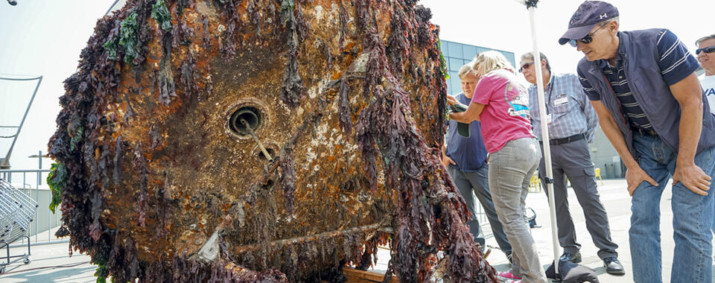
Tuesday, August 8 to Monday, August 13, 2018: Have you ever wondered what’s inside a scientific ocean buoy? Take a close look at the critters and seaweed that colonize the bottom of the buoy when we pull our NOAA CO2 buoy out of the water for its yearly servicing. On Buoy Exploration Day, we’ll provide microscopes, hand lenses, and activities that get you up close and personal with the animals and plants that call San Francisco Bay their home. Scientists from the iNaturalist citizen science team at the California Academy of Sciences will be on hand to identify and catalog the marine organisms, both native and invasive species that live in San Francisco Bay. The buoy, on loan to us from the National Oceanic and Atmospheric Administration, has been anchored between Piers 15 and 17 since April 2013, collecting data on water temperature, salinity, and carbon dioxide (CO2) levels in the atmosphere and in San Francisco Bay. We pull it out of the water to calibrate and replace the sensors and to clean off corrosion and the growth of marine organisms.
Join marine scientists, technicians, and educators as they pull a one-ton NOAA carbon dioxide (CO2) buoy out of the water and explore its scientific instruments and the organisms that have colonized the buoy bottom. Exploratorium staff members will provide a close-up view of maintaining an ocean buoy and discuss the data it collects and why it’s critical to understanding the impacts of excess carbon in the ocean and atmosphere.
On loan from the National Oceanic and Atmospheric Administration (NOAA), the CO2 buoy has been anchored between Piers 15 and 17 since April 2013, collecting data on water temperature, salinity, and CO2 levels in the atmosphere and in San Francisco Bay. Every year, we pull it out of the water to calibrate and replace the sensors and to clean off corrosion and marine organisms.
On Thursday, August 19, visitors will be able to identify microscope organisms with our Living Systems Lab staff members and the iNaturalist team from the California Academy of Sciences. On Friday, August 20, visitors will be able to start their own algae herbarium with a make-and-take activity using algae samples taken from the underside of our buoy and some professional plant preservation supplies.
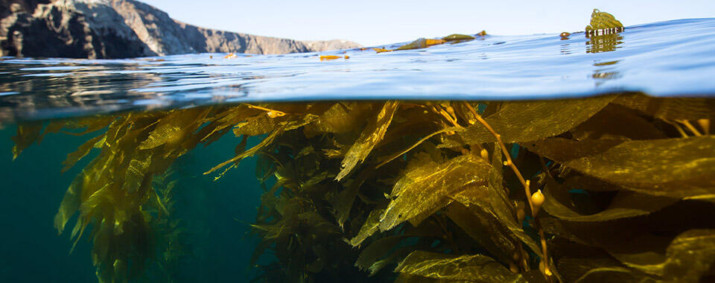
The San Francisco Bay is a dynamic, active system that supports all sorts of ocean organisms. Dive below the surface at this After Dark and see what’s living underneath. Meet the algae and creatures that live underneath our data collection buoy during this once-a-year dry-docking. Find out what historical records of ocean data tell us about the health of the planet, and learn about the possibilities of restoring underwater ecosystems.
Programs throughout the evening include a lecture with researcher Dr. Emily Miller on how kelp and other marine algae from herbaria repositories are helping extend historical records all the way back to 1878; a discussion with diver and ocean advocate, Francesca Koe, on what divers have noticed about recent changes in the North Coast kelp ecosystem and how community science projects are working together to help; algae pressings with Sue Lisin; a selection of film screenings highlighting stories from the sea, and more.
Food and drinks will be available to purchase in our Seaglass Restaurant and at the outdoor bar in Gallery 5 to enjoy in those designated spaces during After Dark. Please note that there is no drinking or eating allowed elsewhere in the museum at this time.
The California coast is a dynamic, active system that supports all sorts of ocean organisms. Dive below the surface at this After Dark Online featuring Ocean Record Keepers with Dr. Emily Miller, inspired by the Exploratorium’s once-a-year dry-docking of our data collection buoy and examination of the organisms that have taken residence on its underside over the past year.
Understanding the future of the ocean requires an understanding of the past. To date, historical data has been largely limited to instrument records and observations that begin around 1950. Research technician Emily Miller shares how kelp and other marine algae from herbaria repositories, and the female scientists who collected them, are helping extend historical records all the way back to 1878.
About Dr. Emily Miller
Dr. Emily A. Miller is a research technician in the Monterey Bay Aquarium Research Institute Incubator Initiative program working with the Environmental Sample Processor (ESP) team. Her research focuses on understanding species responses to dynamic environmental processes over space and time. Emily holds a PhD in ecology from the University of California, Davis, a master’s degree in conservation biology from Columbia University, and a bachelor’s degree in integrative biology from the University of California, Berkeley.
About the Exploratorium
The Exploratorium is a portal to the astonishing scientific phenomena that animate our world and shape our actions. We create extraordinary learning experiences that ignite curiosity, upend perceptions, and inspire brave leaps forward. Since 1969, the Exploratorium’s museum in San Francisco has been home to a renowned collection of exhibits that draw together science, art, and human perception, and that have changed the way science is taught. Our award-winning programs provide a forum for the public to engage with artists, scientists, policymakers, educators, and tinkerers to explore the world around them. We celebrate diversity of thought, inspired investigation, and collaboration across all boundaries
Beginning July 1, the Exploratorium will be open Wednesdays through Saturdays, from 10 a.m. to 5 p.m., and Sundays from noon to 5 p.m. The Exploratorium will be closed Mondays and Tuesdays. The museum will also reopen for its popular, adults-only (18+) After Dark events every Thursday evening from 6 p.m. to 10 p.m. beginning July 1. The museum will be open to daytime members and donors only from 10 a.m. to noon every Sunday. Exploratorium memberships are available for purchase online, and new members can make reservations to visit during the member-only days, June 24-27.
Beginning June 24 both dining establishments, Seaglass Restaurant and the Seismic Joint Cafe, will also be reopening. Seaglass will be serving on Thursday evenings from 6 p.m. to 9:30 p.m., and on Saturdays and Sundays from 11 a.m. to 3 p.m. The Seismic Joint Cafe will be serving Wednesdays-Fridays from 10 a.m. to 5 p.m.
The museum’s one-of-a-kind retail store along the Embarcadero will be reopening Wednesdays-Sundays from 10 a.m. to 5:30 p.m, and Thursday evenings until 10:30 p.m. beginning June 24. Museum tickets are not required for shoppers.
More information about health and safety protocols and FAQs about what to expect from your experience are available on the museum’s website. Sign up for Exploratorium emails or follow the museum on social media to stay up-to-date on announcements.
About the Exploratorium
The Exploratorium is a portal to the astonishing scientific phenomena that animate our world and shape our actions. We create extraordinary learning experiences that ignite curiosity, upend perceptions, and inspire brave leaps forward. Since 1969, the Exploratorium’s museum in San Francisco has been home to a renowned collection of exhibits that draw together science, art, and human perception, and that have changed the way science is taught. Our award-winning programs provide a forum for the public to engage with artists, scientists, policymakers, educators, and tinkerers to explore the world around them. We celebrate diversity of thought, inspired investigation, and collaboration across all boundaries.
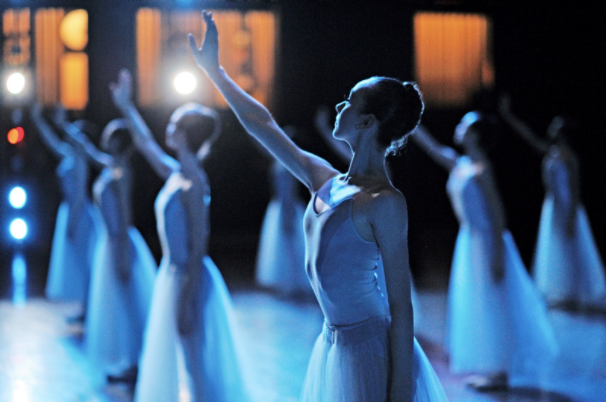
SF, California. The San Francisco Ballet, in partnership with Stanford Live, announced its first in-person performance since shutting down in March 2020 in response to the COVID-19 pandemic. The performance, titled Starry Nights: SF Ballet’s Return to the Stage, will take place at the Frost Amphitheater the weekend of August 13-14. This will be the Company’s first performance at Stanford University in over 50 years. After seventeen months of virtual programming, dancers are thrilled to perform on stage. Artistic Director Helgi Tomasson says: “Starry Nights is a celebration of our dancers’ resilience and a symbol of gratitude to the community that has ushered us through this remarkable time.” Tickets go on sale July 10 at 12 PM via Stanford Live.
Core de Ballet performing a variation within the ballet “Serenade” Choreographed by George Balanchine (1935)
Established in 1933, the San Francisco Ballet is the oldest professional ballet company in the United States. By 1939, under the Company’s ballet master William Christensen, the SF Ballet performed the first full-length American production of Coppélia (1938). Its first international debut in 1957 featured performances in eleven nations across Asia and the Middle East, followed quickly by another tour to Latin America in 1958. In 1974 the SF Ballet established an extraordinary grassroots effort “Save Our Ballet” that rescued it from the brink of bankruptcy. Now, 88 years later, the Company remains one of the most preeminent ballet companies in the world.
The San Francisco Ballet was the country’s first arts organization that ceased performances in light of the burgeoning COVID-19 outbreak. Its 2021 season featured entirely virtual performances until now. The upcoming performance of Starry Nights includes George Balanchine’s Serenade (1935) and Tarantella (1964), as well as Danielle Rowe’s For Pixie (2017) to the music of Nina Simone. It will close with Helgi Tomasson’s The Fifth Season (2006) accompanied live by the San Francisco Ballet Orchestra conducted by Martin West. There will be two performances only.
From the San Francisco Ballet:
San Francisco Ballet, long recognized for pushing boundaries in dance, has a history of making history. Our mission is to share our joy of dance with the widest possible audience, both locally and around the world. Join us for our long-awaited return to live performances, featuring a thrilling blend of poetry and athleticism.
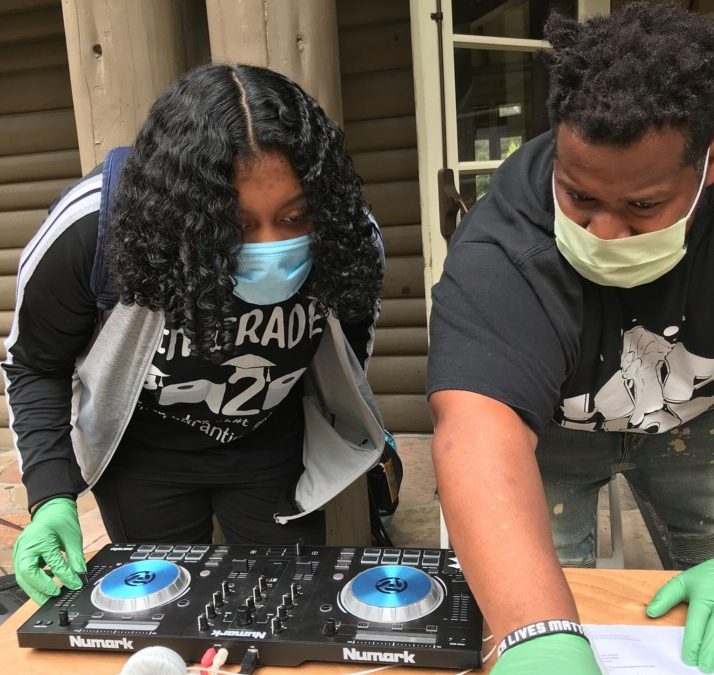
Oakland, CA. The beat goes on at Hip Hop for Change during the COVID-19 pandemic. Marlon Richardson, (above) is a Hip Hop educator who finds ways to continue working with marginalized youth and adults. While the historic Black Lives Matter (BLM) protests in the wake of George Floyd’s death are heightening awareness about racial and social injustice, artistic expression in the form of Hip Hop music has long been an outlet to critique unjust power relations. The emergence of Hip Hop culture in the 1980s impacted both social progress and individual growth. It was also the foundation for the nonprofit organization, Hip Hop for Change.
Founded in 2013, Hip Hop for Change offers programs to educate, support, and inspire both the youth and adults of Oakland. Executive Director Khafre Jay emphasizes the importance of working with urban youth who are dealing with discrimination and violence as a part of their everyday lives. Hip Hop for Change has implemented THE MC Program (Theory of Hip Hop Evolution, Music, and Culture) and has expanded the program to connect the youth to artist-educators who are trained to mentor and motivate young artists in the pursuit of their artistic aspirations. The program is not only for the youth; the artist-educators benefit from the training and employment provided by Hip Hop for Change. Khafre Jay emphasizes the impact of the program; “Since its inception, THE MC Program has touched the lives of over twenty thousand K-12 students, employed and trained dozens of local artist-educators, and half of our programming has provided for free to underserved youth. This program alone is one of the best reasons to support our organization’s work.” Not only the Executive Director for Hip Hop for Change but an established Oakland hip hop artist, the mission resonates personally for Khafre Jay; “Hip Hop is a very empowering culture. It provides an expressive space for youth of color as well as a constant pull towards self-affirmation, and ideas of self-esteem, and self-efficacy. For a lot of POC youth, the first time they find themselves experimenting with self-worth is through Hip Hop expression, and I was no different growing up.”
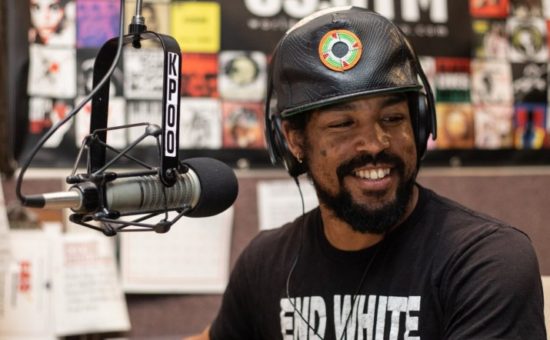
Executive Director Khafre Jay also holds a radio show on KPOO and is founded by Poor People’s Radio. The mission is to bring public news to the “disenfranchised and underserved”.
Grassroots activism has been intrinsic to Hip Hop for Change. Khafre Jay explains that “grassroots activism allows us not to have to code-switch as an organization.” He explains that a nonprofit such as his, which is Black-led and culturally focused, is not valued by the predominantly homogeneous decision-makers of white males that can provide funding. Therefore, receiving funding is difficult. However, Hip Hop for Change has had success through the Grassroots Jobs Program that not only spreads its mission statement to the community but provides employment, education, employee development, and connects their employees with community activism. As Khafre Jay explains; “Grassroots activism allows us to create hundreds of jobs and employ people in our village while engaging and informing the public about race and social justice. We couldn’t be as effective as Black and Brown people in this country without grassroots tactics.”
Employees for the Grassroots Jobs Program who are dedicated to fighting racial and social injustice
The Grassroots Jobs Program has suffered from the global pandemic as Hip Hop for Change was forced to furlough employees, and further setbacks came as school contracts ended due to COVID. Yet Hip Hop for Change continues to create ways to bolster their community. The organization is transitioning to online educational programs and creating new services such as free music production to youth under 25. In spite of the current global crisis, Hip Hop for Change is dedicated to social and racial activism, educating the youth on the history and significance of hip hop culture, providing resources for aspiring artists, and developing employment opportunities for the people of Oakland.
From HipHopForChange:
HipHopForChange seeks to address injustices of representation through education, community building, and the creation of a platform for people who identify with Hip Hop culture to express their true voices, selves, and culture. We create a space that emphasizes and encourages the root values of Hip Hop culture: peace, love, unity, and having fun.
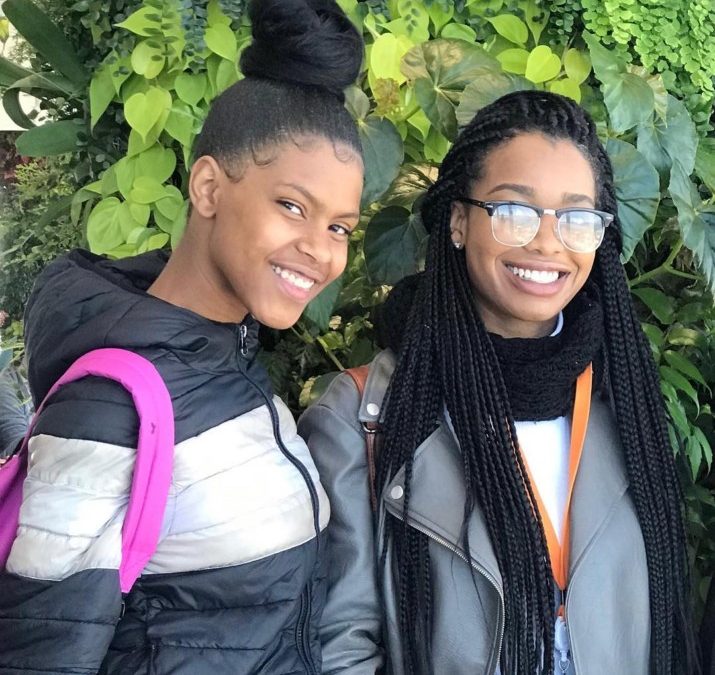
Oakland, CA. It started out as a personal mission to inspire spirituality throughout her neighborhood for Jasmine Taylor (pictured above on the right). She launched the “Stepping Out on Faith” prayer walk in October of 2014 and that led to her founding a nonprofit called 1C13 Productions.
The strategy of continuing 1C13 Productions, especially with the youth, during the COVID-19 pandemic is an ongoing discussion within the organization according to Taylor. Because the nonprofit works extensively with youth through direct interaction within school settings, COVID 19 has halted its programs. However, 1C13 remains dedicated to creating and offering programs that allow interaction with the students while adhering to social distancing mandates.
Services within the organization include youth outreach, community events, feeding the poor, and providing resources for Oakland families to fight poverty and enrich their children’s future through The Legacy Program.
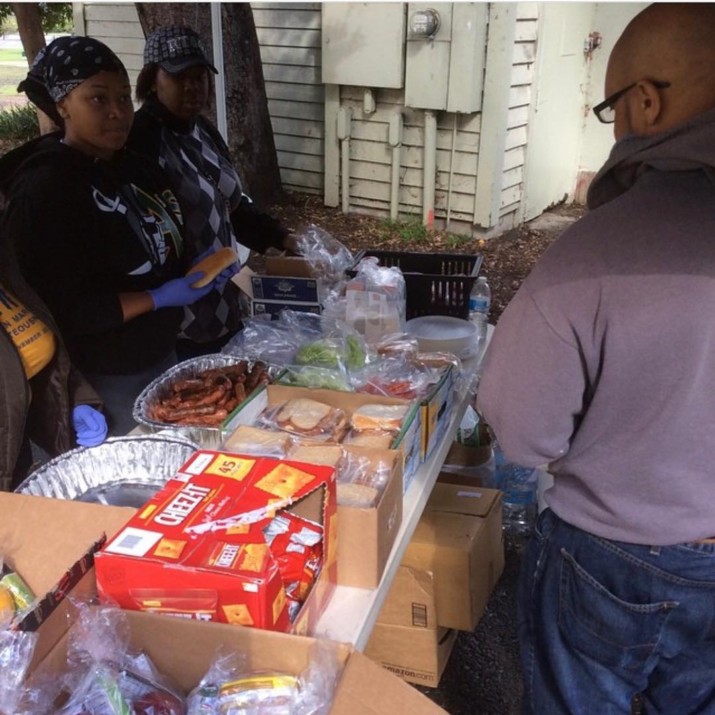
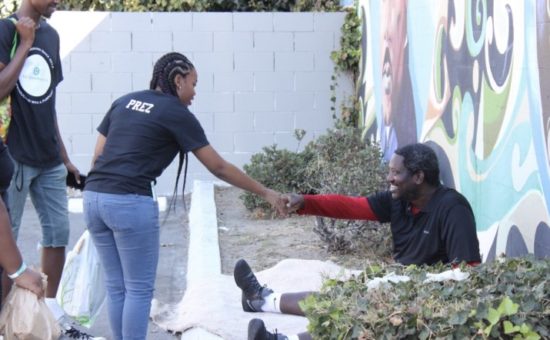
One goal of 1C13 Productions is to eradicate hunger in urban communities. Given the effects of poverty and gentrification, many men, women, and children in urban communities face hunger daily. The nonprofit regularly feeds the homeless and is planning on expanding these efforts.
While initially focused on community programs,1C13 provides several programs for the youth of Oakland to acquire the skills which will bolster their confidence and create positive opportunities. The Walking in Royalty program exposes youth to many different disciplines of study and career opportunities to encourage the young people of Oakland to recognize their full potential and ensures a well-rounded exposure to different career possibilities.
Occasionally working directly with schools to provide life skills classes for both the youth and families through the Walking in Royalty programs, 1C13 also offers these programs to the public through the King/Queen Connections program. Taylor, who also holds the position of Restorative Bridge Maker at Frick United School of language to diffuse conflicts between students, describes her work with the youth as “the most gratifying” and a “beautiful and humbling opportunity”. The testimonies given from some 1C13 youth confirms their reciprocal admiration for the program and their mission; “(The Life Skills) class has changed me in many ways. It’s encouraged me to never give up. It taught me to be a young lady. It taught me to never let what other people say affect my future and who I want to be.” – Mia C., 8th grade.
From 1C13 Productions:
1C13 Productions Inc. is a pillar in the community and has created a lasting impact on youth, communities, and families throughout its 5-year tenure in the Bay Area and in its schools. Here are testimonials from some of those we’ve had the opportunity to work with.
“Jasmine Taylor has the best job in the world: empowering young kings and queens of East Oakland to live their truth and nurture their brilliance. As a teacher and trauma-informed student mentor at Frick Impact Academy, “Ms. Taylor” heals interpersonal harm through her expertise in Restorative Practices and leads students in deconstructing the forces of oppression in their lives and communities as they foster resilience, confidence, and integrity.”
NONPROFIT BENEFIT TICKET GIVEAWAYS!
Sign up for our free weekly highlights for the chance to win two tickets terrific nonprofit events! If you “like” us on facebook, or sign up for our weekly news highlights, you’ll be entered to win! Sign up today!
Look for another ticket giveaway soon! Are you a nonprofit looking to bolster your publicity with facebook and tweets? Email us and we’ll run a contest with tickets to your event! [email protected]